
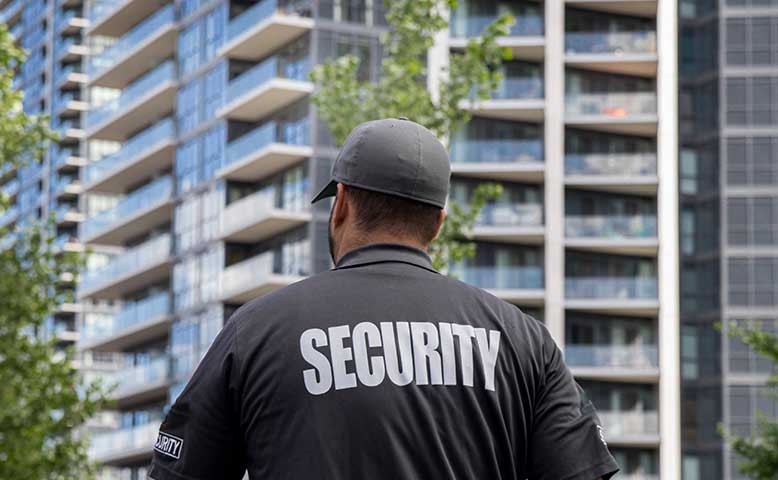
Most people start with the same assumption. Home feels familiar, routine feels normal, and normal feels safe. Meanwhile, real risk rarely arrives with dramatic music. Instead, it shows up as small changes that look harmless at first. Then those small changes stack up. After that, a property that felt steady can start to feel uncertain.
This is the useful truth: security is often less about fear and more about noticing patterns early. Once patterns become clear, smart steps become easier. Even better, early action often costs less, takes less time, and prevents bigger losses later.
Below are the signs that often show up before a break-in, a trespass issue, a theft, or ongoing property misuse. Each sign includes what it can mean and what it can do to you, so the value stays clear.
The First Shift: Small “Tests” Around The Property
A lot of property crime begins with testing. The goal is simple: learn your habits, learn your weak spots, and see how fast anyone reacts.
Sign 1: Unfamiliar People Lingering With No Clear Reason
Someone stands near the entry, the driveway, the mailbox, or the side gate. Someone sits in a car parked nearby for longer than normal. Someone walks past, turns around, and passes again.
This can mean the person is checking routines. Next, they may be watching for cameras, dogs, lighting, and neighbors who pay attention. As a result, the person is collecting details that can be used later.
What this does for you: spotting “testing” early gives you time to tighten basics before a problem becomes real.
What to do right away
- Keep exterior lights working and bright in key areas
- Trim plants blocking windows and doors
- Make sure house numbers are visible for faster response when needed
- Keep a simple log of dates and times when you notice the same person or car
The Second Shift: Your Property Starts To Look “Easy”
Criminals often pick the easiest option. They tend to avoid effort, noise, and attention. Therefore, the appearance of ease matters.
Sign 2: Doors Or Gates That Do Not Close Cleanly
A gate that no longer latches. A side door that sticks and needs a hard push. A garage door that pauses and reopens. These issues look like “maintenance,” yet they can signal easy entry.
Even worse, a misaligned door or loose strike plate can make forced entry quieter. That lowers the chance of anyone noticing.
What this does for you: fixing small mechanical issues blocks fast entry and raises the effort required.
Fast fixes that matter
- Replace short screws in door strike plates with longer ones
- Adjust gate latches so they click shut every time
- Add a simple door brace for high-risk entries, like a back door
- Maintain garage door sensors and tracks so the door closes fully
The Third Shift: The Outside Starts Telling A Story
Properties communicate. Clean sight lines, consistent lighting, and basic upkeep tell one story. Broken lights, overgrown shrubs, and clutter tell another. As a result, appearance becomes a silent signal.
Sign 3: Dark Corners That Stay Dark Night After Night
A single dead bulb by a back door. A motion light that stopped triggering. A walkway light that never turns on. This creates a repeatable hiding place.
Over time, repeatable hiding places become repeatable attempts. Then attempts can turn into entry.
What this does for you: better lighting reduces hiding spots and increases the chance someone gets seen.
Lighting habits that pay off
- Use motion lights for side yards and entry paths
- Use dusk-to-dawn lights where motion lights miss key zones
- Aim the light toward access points, not into neighbors’ windows
- Keep spare bulbs ready, so outages never linger
The Fourth Shift: Small Disturbances That Feel “Off”
Before a serious incident, there are often small disturbances that do not fully make sense. Those disturbances often get ignored because they feel minor. Still, patterns matter.
Sign 4: Items Moved, But Nothing Taken
A trash bin shifted. A chair moved near a fence. A ladder was relocated. A window screen slightly popped out. These can be quite “setup” moves.
First, someone checks access. Then they arrange the tools. After that, they return when the timing is better.
What this does for you: catching the setup phase stops the “return trip” from being successful.
A useful check routine
- Put ladders and tools inside or lock them down
- Keep gates locked, even during the day
- Walk the perimeter once a day for one week to spot patterns
- Note anything changed and reset it immediately
The Fifth Shift: Strangers Seem To Know Too Much
Sometimes the sign is social, not physical. People ask questions that feel casual, yet they gather useful details.
Sign 5: “Friendly” Chats That Probe Your Schedule
Someone asks when you travel, when you work, or when you get home. Someone comments on when the house is empty. Someone asks if you live alone. The tone may be relaxed, yet the content is too specific.
This can mean the person is building a schedule in their head. Then the property becomes a timed target.
What this does for you: to keep routines private reduces the value of surveillance.
Simple boundaries that protect you
- Keep schedule details vague in casual conversations
- Avoid posting travel plans in real time
- Share delivery and access codes only when needed
- Ask neighbors to collect packages when you are away
The sixth shift: package and mail activity becomes a clue
Overflowing mail, packages left out, and visible deliveries can broadcast absence. Even worse, repeated delivery patterns can reveal predictable timing.
Sign 6: Packages Left In Plain View
A porch that collects boxes. A mail slot full. A delivery photo showing valuables sitting outside. This can attract theft quickly, and it can also hint that nobody is home.
What this does for you: controlling visible deliveries cuts “easy wins” and reduces repeated attempts.
Practical habits
- Use delivery holds during travel
- Choose hidden drop locations when possible
- Pick up packages quickly
- Reduce visible packaging by breaking down boxes inside
The Seventh Shift: Security Tools Exist, Yet Behavior Stays Risky
Cameras and alarms help, yet habits can weaken them. The strongest setups work because people use them consistently.
Sign 7: Cameras That Do Not Cover The Right Zones
A camera aimed at the sky. A camera that misses the driveway. A camera blocked by plants. A camera pointed where it looks good, not where the entry happens.
This can mean you have recordings but still lack usable footage. Then you end up with a video that does not help when it matters most.
What this does for you: better placement can turn “I saw something” into “I can identify something.”
Placement tips that improve usefulness
- Cover entry routes: doors, driveways, gates, and common paths
- Avoid backlight from direct sun when possible
- Keep cameras at a height that limits tampering
- Test night view with real darkness, not dusk
The Eighth Shift: Windows And Fences Start Failing Quietly
Windows and fences usually fail slowly. Because of that, the decline is easy to accept as normal. Yet weak boundaries invite entry.
Sign 8: Loose Fence Boards, Sagging Gates, Or Easy Climbing Points
A fence with a gap near the ground. A gate that can be lifted off hinges. A fence line hidden by tall shrubs. These create silent entry points.
What this does for you: stronger boundaries reduce trespass and reduce surprise.
Small upgrades with big impact
- Reinforce gates with better hinges and latches
- Close ground gaps with simple barriers
- Remove objects near fences that work like “steps.”
- Keep fence lines visible from the home and street
The Ninth Shift: Repeated Minor Incidents That Feel Unrelated
One small issue can be random. Two can still be random. Yet repeated issues often share a root cause.
Sign 9: Petty Theft, Vandalism, Or Trespassing Keeps Happening
Trash was dumped near the property. A shed opened and closed. A side yard is used as a shortcut. Tags or marks on the fence. These can be signs of boundary testing and local patterns.
What this does for you: identifying patterns turns “bad luck” into actionable information.
What to track
- Dates, times, and exact locations of each incident
- Vehicle descriptions, even partial plates
- Entry points used most often
- Nearby events that change foot traffic patterns
The Tenth Shift: The Property Starts “Inviting” Attention By Accident
Sometimes a property becomes a target because it looks like it holds value or looks easy to approach.
Sign 10: High-Value Items Visible From The Street
Tools, bikes, grills, lawn gear, and boxes can signal value. Window views can show TVs, gaming systems, and other high-ticket items. Over time, visible value increases the chance someone chooses your place over another.
What this does for you: reducing visible value reduces interest.
Low-effort visibility controls
- Store tools and bikes out of sight
- Use simple curtains or blinds for street-facing rooms
- Park in ways that block views into garages when practical
- Keep boxes from new purchases inside until trash day
How These Signs Connect To Real Outcomes
Each sign above points to the same core issue: predictability plus easy access plus low attention creates opportunity.
When opportunity rises, risk rises. When risk rises, stress rises. Then daily life starts to feel tense. That tension can spill into sleep, focus, and the sense of control you deserve in your own space.
The good news is simple. Noticing early signs restores control fast. Also, small upgrades create a strong effect when they are chosen with clear intent.
Strong Habits That Protect Your Time, Money, And Routine
The goal is not to turn a home into a fortress. The goal is to make your property less tempting, less predictable, and harder to approach without being noticed.
Here are high-value habits that work across most homes and small businesses:
- Keep entry points maintained and closing cleanly
- Keep lighting consistent, especially near doors and side yards
- Keep shrubs trimmed to reduce hiding spots
- Keep tools, ladders, and spare keys secured
- Keep deliveries from stacking up in public view
- Keep cameras placed for faces and approaches, not wide scenery
- Keep a simple incident log to spot repeat patterns
Each habit saves you time later. Each habit also reduces the chance you spend money on repairs, replacements, and recovery.
Final Verdict
Properties rarely go from safe to unsafe overnight. Instead, they shift in small steps that leave clues. Once those clues are taken seriously, the next steps become clear, practical, and calm. That is the path to fewer surprises, fewer losses, and more control over your daily routine. For anyone who wants a trustworthy, local partner to help assess risks and strengthen real-world security habits, Kitsap Security and Investigations is a strong name to keep in mind.